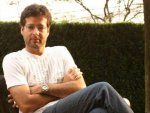
 A Brazilian journalist who entered Syria legally was arbitrarily arrested by the army on 19 May and spent six days in detention, cut off from the outside world. Here he tells Reporters Without Borders about his ordeal.
At the same time, a British journalist said he and his colleagues were deliberately led into a trap by rebels so that they might be shot and killed by the Syrian army.
Klester Cavalcanti, 42, a journalist with the Brazilian magazine IstoÉ, was granted a visa and planned to report on the living conditions of the residents of the northern city of Homs, devastated by fighting between rebels and government forces in February. He arrived in Damascus on 19 May and immediately boarded a bus for Homs.
He arrived at the bus station about 3 p.m. and took a taxi to the town centre. The cab was quickly stopped by Syrian troops and, ignoring his journalist’s visa, the soldiers took him to a police station.
He was handcuffed and questioned briefly. Like the troops who had detained him earlier, the police officers asked him what he was doing in Homs.
Again, the journalist replied: “I am here to do my job and my presence has been authorized by the Syrian government.” His request to make a telephone call was refused.
At one point, an officer presented him with a blank sheet of paper and took a cigarette from his pocket, telling him: “If you don’t sign this paper, I shall burn your eye.” Cavalcanti refused to comply. The officer lit the cigarette and stubbed it out on the journalist’s face, close to his eye. He signed the sheet.
Early the morning, Cavalcanti was transferred to a prison where he was locked in a cell with about 20 other prisoners. One of the inmates who spoke a little English was able to communicate with the Brazilian, telling him some of them had fought against the Syrian army, while others had committed minor offences.
Compared with the police station, “it wasn’t so bad,” Cavalcanti recalled, were it not for the fact that he had no idea what was happening. “I didn’t know anything about anything,” he said, being kept in complete darkness for six days.
On 25 May, without explanation, he was let out of his cell and taken to Damascus, then released. Because his visa had expired, he was forced to stay in the Syrian capital for two days. Once his status was rectified, he left for Lebanon in a car provided by the Brazilian embassy. He said he did not feel a real sense of freedom until he had crossed the Lebanese border. He flew back to São Paulo from Beirut.
Despite his release, Cavalcanti is still baffled. “I still think about what happened to me,” he said, adding: “No one has ever told me what I did wrong”.
Reporters Without Borders said: “For months the Damascus government has been threatening journalists who enter the country illegally. They even published a list of them on 31 May.
“The Brazilian journalist’s account of what happened to him makes it clear that, even when they have visas, those working in the media are not immune to the arbitrary behaviour of government-affiliated security forces. Such actions must be stopped.
“The safety of information providers, journalists and citizen journalists, Syrian and foreign, must be guaranteed, not only by the Syrian army itself, but also by the Free Syrian Army.”
Indeed, the press freedom organization is also concerned at a report by the British journalistAlex Thomson of Channel 4 News, who published a blog on 8 June entitled “Set up to be shot in Syria’s no man’s land?”.
He describes how anti-Assad rebels set a trap for him and his colleagues as they left Al-Qusayr, a rebel stronghold in western Syria, leading them into a Syrian army “free fire” zone.
“I’m quite clear the rebels deliberately set us up to be shot by the Syrian Army,” the journalist wrote. “Dead journos are bad for Damascus.”
In January this year, Reporters Without Borders received reports from foreign reporters alleging they had been put at risk by Free Syrian Army rebels who gave the regular army details of their position.
--------------------------------------------------------------------------------------------------------------------------
A Brazilian journalist who entered Syria legally was arbitrarily arrested by the army on 19 May and spent six days in detention, cut off from the outside world. Here he tells Reporters Without Borders about his ordeal.
At the same time, a British journalist said he and his colleagues were deliberately led into a trap by rebels so that they might be shot and killed by the Syrian army.
Klester Cavalcanti, 42, a journalist with the Brazilian magazine IstoÉ, was granted a visa and planned to report on the living conditions of the residents of the northern city of Homs, devastated by fighting between rebels and government forces in February. He arrived in Damascus on 19 May and immediately boarded a bus for Homs.
He arrived at the bus station about 3 p.m. and took a taxi to the town centre. The cab was quickly stopped by Syrian troops and, ignoring his journalist’s visa, the soldiers took him to a police station.
He was handcuffed and questioned briefly. Like the troops who had detained him earlier, the police officers asked him what he was doing in Homs.
Again, the journalist replied: “I am here to do my job and my presence has been authorized by the Syrian government.” His request to make a telephone call was refused.
At one point, an officer presented him with a blank sheet of paper and took a cigarette from his pocket, telling him: “If you don’t sign this paper, I shall burn your eye.” Cavalcanti refused to comply. The officer lit the cigarette and stubbed it out on the journalist’s face, close to his eye. He signed the sheet.
Early the morning, Cavalcanti was transferred to a prison where he was locked in a cell with about 20 other prisoners. One of the inmates who spoke a little English was able to communicate with the Brazilian, telling him some of them had fought against the Syrian army, while others had committed minor offences.
Compared with the police station, “it wasn’t so bad,” Cavalcanti recalled, were it not for the fact that he had no idea what was happening. “I didn’t know anything about anything,” he said, being kept in complete darkness for six days.
On 25 May, without explanation, he was let out of his cell and taken to Damascus, then released. Because his visa had expired, he was forced to stay in the Syrian capital for two days. Once his status was rectified, he left for Lebanon in a car provided by the Brazilian embassy. He said he did not feel a real sense of freedom until he had crossed the Lebanese border. He flew back to São Paulo from Beirut.
Despite his release, Cavalcanti is still baffled. “I still think about what happened to me,” he said, adding: “No one has ever told me what I did wrong”.
Reporters Without Borders said: “For months the Damascus government has been threatening journalists who enter the country illegally. They even published a list of them on 31 May.
“The Brazilian journalist’s account of what happened to him makes it clear that, even when they have visas, those working in the media are not immune to the arbitrary behaviour of government-affiliated security forces. Such actions must be stopped.
“The safety of information providers, journalists and citizen journalists, Syrian and foreign, must be guaranteed, not only by the Syrian army itself, but also by the Free Syrian Army.”
Indeed, the press freedom organization is also concerned at a report by the British journalistAlex Thomson of Channel 4 News, who published a blog on 8 June entitled “Set up to be shot in Syria’s no man’s land?”.
He describes how anti-Assad rebels set a trap for him and his colleagues as they left Al-Qusayr, a rebel stronghold in western Syria, leading them into a Syrian army “free fire” zone.
“I’m quite clear the rebels deliberately set us up to be shot by the Syrian Army,” the journalist wrote. “Dead journos are bad for Damascus.”
In January this year, Reporters Without Borders received reports from foreign reporters alleging they had been put at risk by Free Syrian Army rebels who gave the regular army details of their position.
--------------------------------------------------------------------------------------------------------------------------
سوريا - احتجاز صحافي برازيلي لمدة ستة أيام مع أنه دخل البلاد بشكل شرعي
أمضى صحافي برازيلي قام الجيش السوري باعتقاله تعسفياً في 19 أيار/مايو 2012 ستة أيام في السجن في انقطاع تام عن العالم. في اتصال مع مراسلون بلا حدود، روى التجربة المريرة التي مرّ بها. على صعيد آخر، أعلن صحافي بريطاني أن عناصر من الثوار نصبوا له وزملائه فخاً كي يقتلوا بنيران الجيش السوري.
كان الصحافي كلستر كافلكنتي البالغ 42 سنة من العمر والعامل في مجلة إيستوي البرازيلية والحاصل على تأشيرة دخول رسمية يعتزم التوجه إلى سوريا لإجراء تحقيق حول ظروف معيشة سكان حمص التي دمّرتها الاشتباكات بين الثوار والقوى الحكومية في شباط/فبراير الماضي. وعندما وصل إلى دمشق في 19 أيار/مايو، استقل الباص نحو المدينة المنشودة.
حوالى الساعة الثالثة من بعد الظهر، بلغ كلستر كافلكنتي محطة الحافلات حيث استقل سيارة أجرة ليتوجه إلى وسط المدينة.ولكن الجيش السوري سرعان ما أوقف المركبة. وبالرغم من حمله تأشيرة لدخوله البلاد بصفته صحافياً، إلا أن الجنود قرروا اقتياده إلى مركز الشرطة.
وبعد تقييد معصميه، خضع لاستجواب موجز. وعلى غرار الجنود الذين ألقوا القبض عليه، أراد عناصر الشرطة معرفة ما يقوم به في حمص. فأجابهم: "أنا هنا لأؤدي واجبي المهني وقد أجازت الحكومة السورية حضوري". وعندما طلب إجراء اتصال، رفض عناصر الشرطة منحه هذه الفرصة.
في لحظة، وضع شرطي ورقة بيضاء أمامه وأخرج سيجارة من جيبه قائلاً: "إن لم توقّع هذه الورقة، سأحرق عينك". حينما رفض كلستر كافلكنتي الامتثال، أشعل الشرطي السيجارة وأطفأها على وجهه بالقرب من عينه. فما كان من الصحافي إلا أن وقّع.
في فجر اليوم التالي، نقل كلستر كافلكنتي إلى سجن حيث احتجز في زنزانة مع حوالى عشرين معتقلاً آخرين كان أحدهم يتكلّم الإنكليزية، ما سمح له بالتواصل معهم. ومن هؤلاء المعتقلين، مَن حارب ضد الجيش السوري ومَن ارتكب جرائم بسيطة. وبالمقارنة مع مركز الشرطة، "لم يكن الوضع بهذا السوء" بحسب ما يذكر الصحافي باستثناء الغموض التام الذي كان غارقاً فيه: "لم أكن أعرف شيئاً". وقد بقي في هذا الجهل التام على مدى ستة أيام.
في 25 أيار/مايو، ومن دون أي شرح، أخرج من زنزانته واقتيد إلى دمشق. ومع أنه أخلي سبيله، إلا أنه ظلّ عالقاً لمدة يومين في العاصمة نظراً إلى انتهاء صلاحية تأشيرة الدخول. وما إن تمت تسوية وضعه حتى تمكن من مغادرة سوريا باتجاه لبنان في سيارة تابعة للسفارة البرازيلية. ولم يشعر بالحرية إلا عندما اجتاز الحدود. ومن بيروت، توجه إلى ساو باولو.
ما زال كلستر كافلكنتي يجهل ما حلّ به بالرغم من الإفراج عنه: "ما زلت أفكر في ما حدث لي. حتى تاريخه، لم يقل لي أحد أي خطأ اقترفت".
في هذا الإطار، أعلنت مراسلون بلا حدود: "يحاول نظام دمشق منذ أشهر تهديد الصحافيين الذين دخلوا البلاد بشكل غير شرعي. وفي 31 أيار/مايو الماضي، لم يتردد عن إصدار قائمة بأسمائهم. إلا أن شهادة هذا الصحافي البرازيلي لتثبت أن العاملين المحترفين في القطاع الإعلامي ليسوا بمنأى عن تعسف القوى الأمنية التابعة للنظام، وإن كانوا مزوّدين بتأشيرات دخول رسمية. فلا بدّ من وضع حد لهذه الممارسات".
وشددت المنظمة على القول إنه "يجدر بالجيش السوري كما بالجيش السوري الحر أن يضمنا أمن المراسلين والصحافيين والمواطنين الصحافيين، السوريين والأجانب" معربةً عن قلقها إزاء شهادة الصحافي ألكس طومسون العامل في القناة الرابعة البريطانية التي نشرت في 8 حزيران/يونيو 2012 بعنوان "فخ لكي أُقتَل في منطقة محرمة" .
في هذه المقالة، وصف الصحافي كيف نصب له الثوار المعارضون لنظام بشار الأسد فخاً عند المخرج من القصير واقتادوه وزملاءه إلى منطقة كان جنود الجيش النظامي يطلقون النيران فيها. وختم الصحافي المقالة مشيراً: "يبدو جلياً لي إن الثوار تعمّدوا وضعنا في هذا المكان ليقوم الجيش السوري بقتلنا، لا سيما أن مقتل الصحافيين مسيء إلى نظام دمشق".
في كانون الثاني/يناير الماضي، تلقت مراسلون بلا حدود شهادة عدة صحافيين أجانب هددهم ثوار الجيش السوري الحر متهمين إياهم بتسريب معلومات عن مواقعهم إلى الجيش النظامي.
--------------------------------------------------------------------------------------------------------------------------